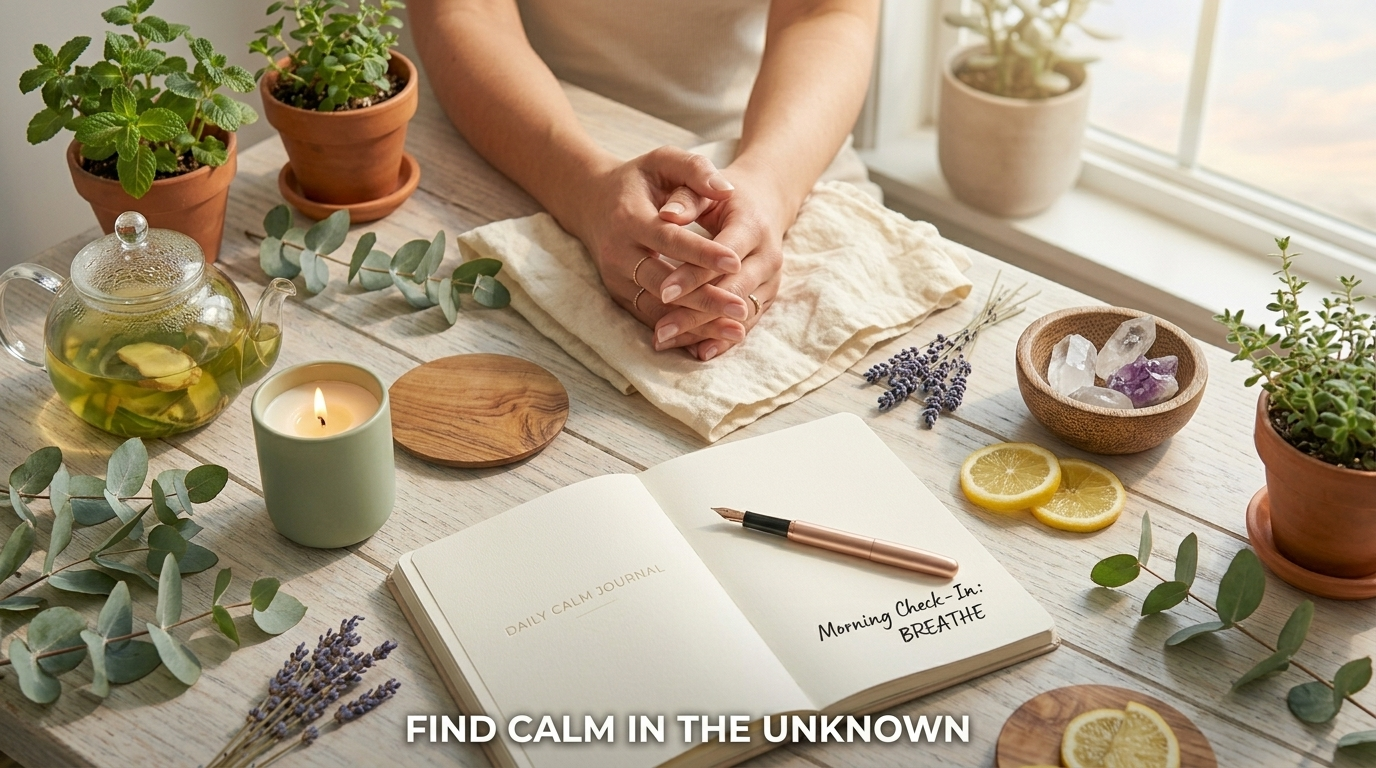
Mindfulness helps you slow down, notice your thoughts, and respond to life with more calm. In a busy world full of noise and pressure, simple mindfulness practices can reduce stress, improve focus, and create a greater sense of balance.
You do not need a lot of time or experience to begin. Small daily moments of awareness can make a real difference in how you feel. These seven practices are easy to try and fit naturally into everyday life.
Start With Your Breath
Your breath is always with you, which makes it one of the simplest tools for mindfulness. Take a few slow breaths and notice the movement of air entering and leaving your body. This small pause can help calm your mind and bring you back to the present moment.
If your thoughts are racing, focus on each inhale and exhale without trying to change anything. Just observing your breathing for one minute can help you feel more grounded and aware.
Notice Your Surroundings
Mindfulness can begin with paying attention to what is around you. Notice colors, sounds, textures, or smells in your environment. This practice helps bring your attention away from stress and into the present.
You can do this while walking, sitting, eating, or even washing dishes. The goal is not to judge what you notice, but simply to observe it with curiosity and calm.
Practice Mindful Eating
Eating mindfully means slowing down and fully experiencing your food. Notice the taste, texture, temperature, and smell of each bite. This can make meals more enjoyable and help you feel more connected to your body’s needs.
Try putting your phone away during meals and eating without rushing. Even one mindful meal a day can change the way you relate to food and help you feel more satisfied.
Take Short Pauses
Mindfulness does not always require a long meditation session. A short pause during a busy day can be enough to reset your mind. Step away from your screen, close your eyes, and take a few deep breaths.
These small breaks can help reduce mental overload and improve focus. Over time, they can become a natural part of how you care for your mental wellness.
Be Kind to Yourself
Mindfulness also means noticing your thoughts without being hard on yourself. If you feel stressed, distracted, or overwhelmed, treat yourself with patience. This gentle awareness can reduce self-criticism and support emotional balance.
Self-kindness is an important part of peace of mind. When you speak to yourself with care, it becomes easier to handle challenges with calm and clarity.
Conclusion
Mindfulness is not about being perfect or always calm. It is about creating small moments of awareness throughout the day. By practicing simple habits like breathing, noticing your surroundings, and being kind to yourself, you can build more peace and clarity into everyday life.